

April 18, 2026 *
CUSTOMER PSYCHOLOGY
Dopamine, the progress principle, and the endowment effect — the psychology behind repeat visits
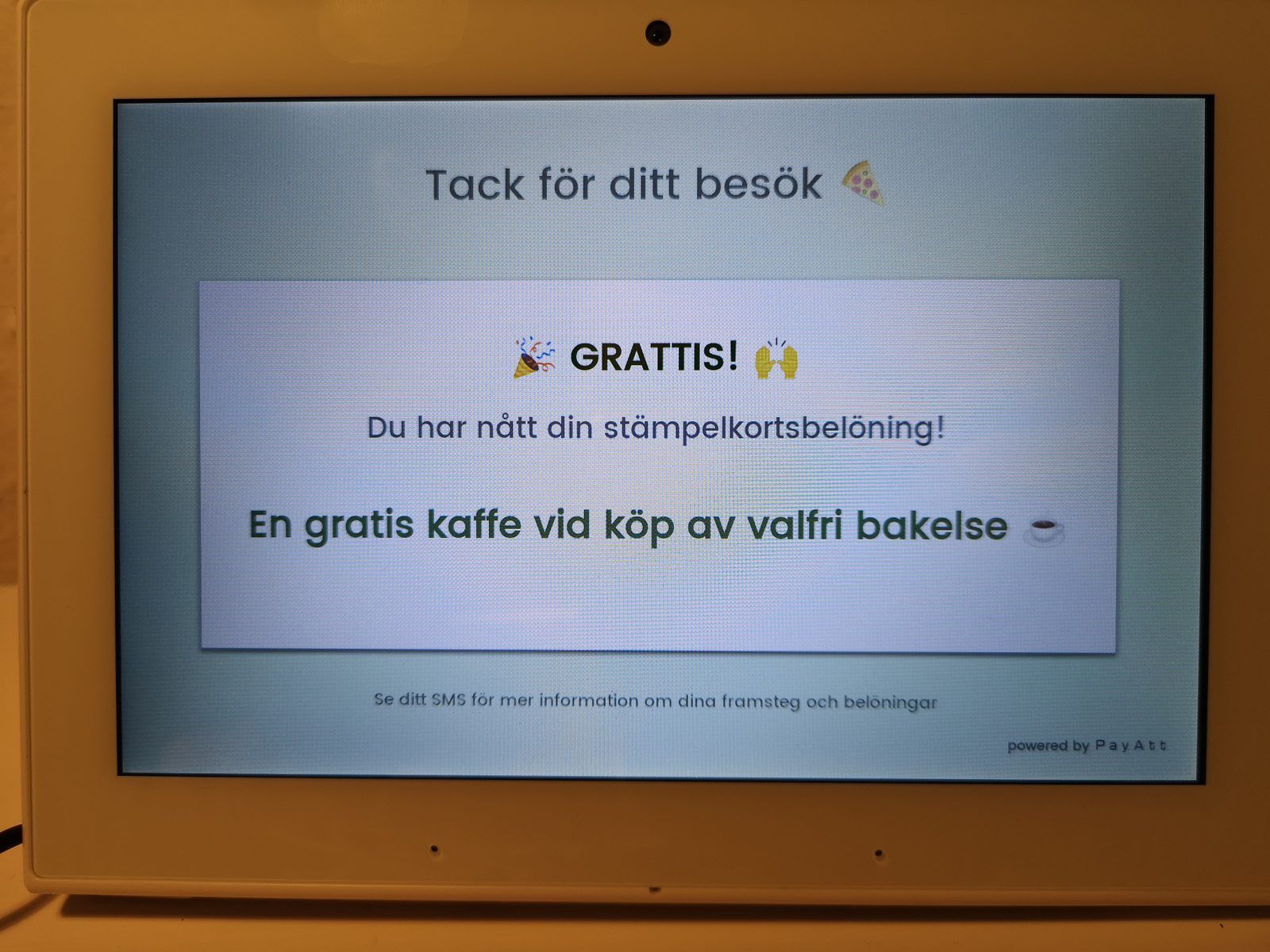
Have you ever bought one extra coffee just because you had three stamps left until a free one? Or stayed a bit longer at the gym because you wanted to close a ring in your training app?
It wasn't your willpower guiding you. It was your brain.
And it's exactly that mechanism you as a small business owner can use to bring customers back – time after time, without dropping your prices.
Our brains are wired to seek reward. Every time we make progress toward a goal – or see that we're close to one – dopamine is released. It's the same substance that makes you want to keep playing a game, scrolling social media, or eating more chips.
It's called the progress principle and it's one of the strongest drivers in human behavior.
When a customer sees her stamp card and realizes she's on seven out of ten, her brain starts a simple program: "I need to finish this." It isn't a rational decision. It happens automatically, under the surface.
Research shows we value things more when we already own part of them. A customer with three stamps on a card sees that card as hers – she has invested in it. That sense of ownership makes her reluctant to lose her stamps, and it drives her back.
That's why a well-designed loyalty program is so powerful. It creates a psychological investment in the customer that no standard discount can buy.
A 10% discount is a one-off deal. A stamp card is an ongoing relationship.
Many business owners believe the reward has to be big for a loyalty program to work. It doesn't.
Consumer psychology research shows that it's progress toward the goal that creates engagement – not the size of the reward. A coffee on the house is worth no more than 30 kronor, but the feeling of having "made it" is priceless to the customer.
That's also why giving a small head start works so well. When a stamp card starts with two stamps already filled in instead of zero, the likelihood of completion increases by more than 80%. It's been studied in laboratories and confirmed in real retail environments.
You don't need to lower prices. You don't need a complicated points system. All you need is:
A clear goal (ten stamps, for example), a simple and accessible reward, and a system that shows the customer her progress. The brain does the rest.
Stamp cards don't work because customers are greedy. They work because the brain is wired to finish what it started. Progress releases dopamine, and dopamine drives behavior. Use it. It's not manipulation – it's giving your customers a reason to choose you, again and again.
Want to see how other small businesses use digital stamp cards – without lost cards or forgotten names?