REVENUE
How to fill slow periods with an SMS
A quiet Wednesday morning doesn't have to stay quiet. Here's how local businesses activate their best customers directly on mobile.
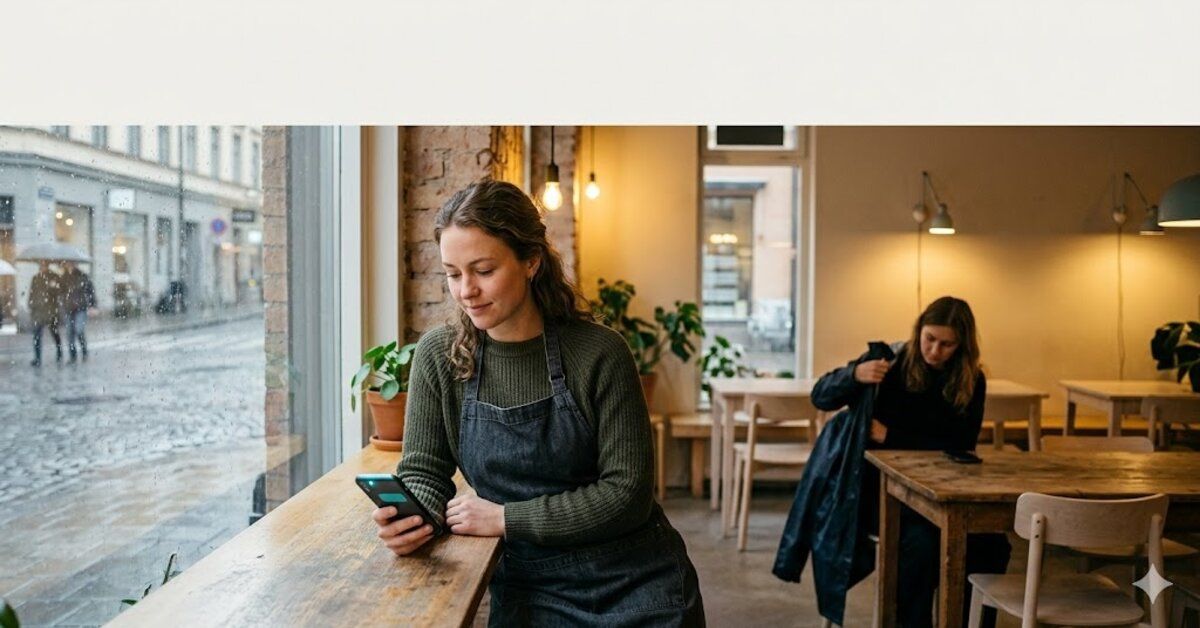
There's a particular kind of silence only small business owners recognise. A rainy Sunday afternoon. A Monday lunch that never lifts off. A half-empty café on a sunny Wednesday. The staff stand there. The lights are on. The meter is running.
And you know that if you could just get ten or twenty more people in during that time, the day would turn around economically. But they won't come on their own. And running a proper campaign for a single afternoon is too heavy, too expensive, too late.
There is a simple solution. And it takes 30 seconds.
Why empty hours are so expensive
Fixed costs are the small business owner's biggest enemy. The rent costs the same whether you sell ten coffees or a hundred. Wages keep ticking regardless. The doors are open. It's sales that fluctuate – and sales are what decide whether the month ends in plus or minus.
Research in the restaurant industry shows that the fuel for the entire business is often 20% of the hours accounting for 60% of revenue. That means a single empty afternoon per week can cost several thousand kronor in lost margin – and those sums become, at the end of the year, the difference between a good year and a tough one.
The 30-second solution
The most underrated marketing channel for small businesses isn't Meta. It isn't Google. It's SMS.
SMS has an average open rate of 98%, and 90% of all SMS are read within three minutes of being sent. Nothing else you can send comes even close. A push notification from an app sits at 20%. An email sits at 18%. SMS is in a category of its own.
Fraz at CGs Streetfood shared a concrete example: "On a Sunday we sent out an offer in the afternoon that only applied that evening. The pizzas were sold out within two hours." That's the reality SMS opens up for anyone with an existing customer list.
What the message should actually say
A good empty-hour SMS has four qualities. It is short – under 160 characters. It is time-bound – the customer should understand it applies now, not later. It is concrete – an offer, a menu, a treatment that actually exists and is clearly worth rousing oneself for. And it is personal in tone – not marketing language, but the way you would talk to a guest in the shop.
Example: "Hi from CG's! Rainy today – we've got pizza at 99 kr between 4 and 7pm. Come on in. /Fraz"
That isn't advertising. It's an offer from someone the customer recognises.
Does this require a huge customer list?
The most common objection we hear is: "I don't have hundreds of customer numbers." That's usually true in the beginning. But it doesn't mean it's the wrong strategy.
Many small businesses underestimate how fast a customer list grows when registration is frictionless. If you have a simple registration screen at the till where the customer can sign up for a stamp card in ten seconds, you usually collect between 20 and 50 numbers per week at normal visit volumes. After three months, you have between 250 and 600 customers on the list.
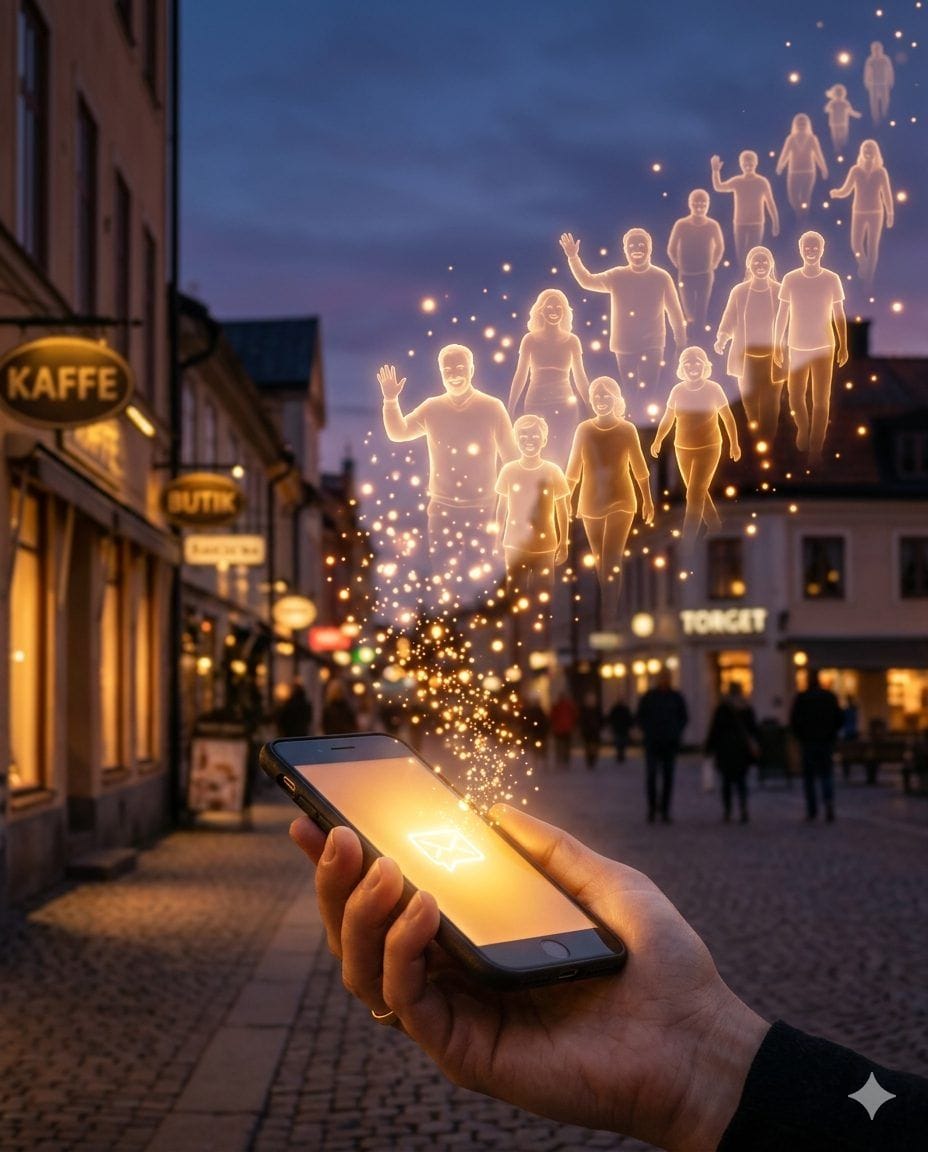
What makes the difference is what you do with the list once you have it. A message to 400 local, existing customers on a rainy Sunday is worth more than an ad with 40,000 impressions to strangers. Because the 400 have already decided that they like you.
Summary
Empty hours are not a law of nature. They are an information problem. Your customers could have come in if they knew you wanted them right now – they just never find out. SMS is the one channel that gets through within minutes, feels personal, and doesn't require a budget. 30 seconds, a short message, 400 recipients. That's the whole difference between a dead afternoon and an unexpectedly good day.
See what 30-second SMS activation looks like. Watch how PayAtt sends work in practice →