LOCAL BUSINESS
Small town, steady customer base
Low season isn't a traffic problem — it's a frequency problem. Here's how local stores build a customer base that holds.
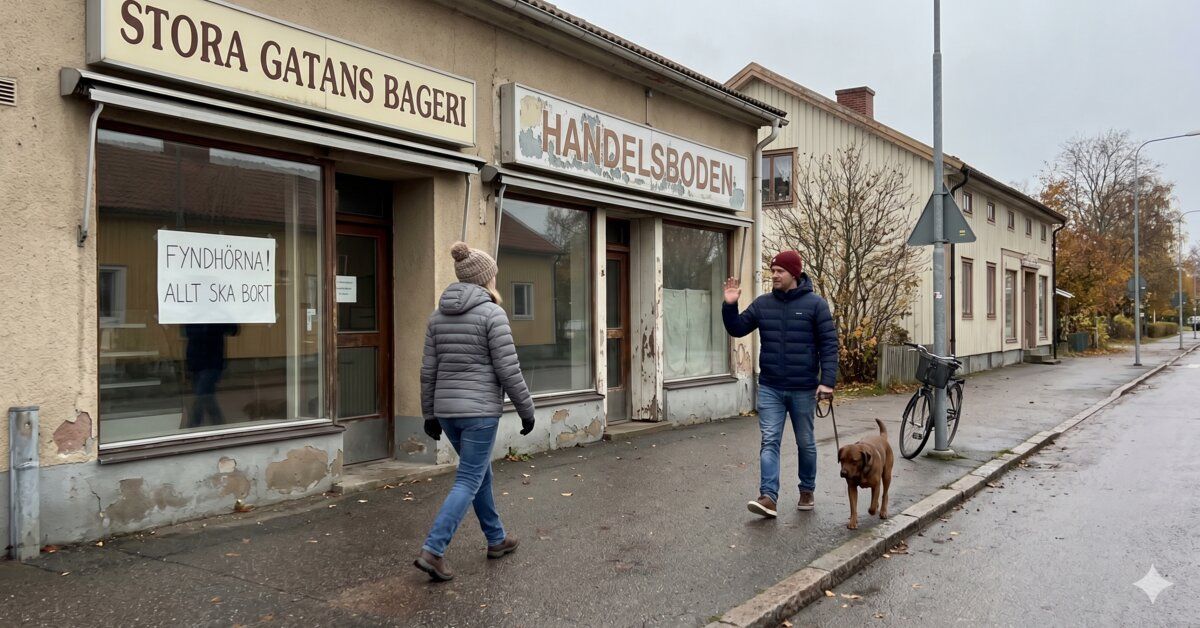
In a small town, just having a good product isn't enough. It doesn't matter much how good-looking the sign is or how nicely the range is presented. The catchment area is limited.
At the same time – and here is the paradox – small towns are where loyalty is most valuable and easiest to build. You just have to think differently than a shop in the city centre.
The core truth: you can't create volume
In a big city, you can grow by opening more channels, targeting more ads and reaching a larger pool of potential customers. In a smaller town that pool runs out fast. If you run a florist in a town of 4,000 people, there is simply a ceiling on how many first-time customers are out there to reach.
That means growth doesn't come from new customers. It comes from increased frequency from the customers you already have. If an existing customer comes in twice instead of once a month, you've doubled revenue from that customer without having to reach a single new person.
Want to see what this looks like in practice? See how PayAtt helps local businesses weather the low season →
The three mechanisms that actually work in a small town
First mechanism: recognition. You know who the customer is. Not just the name – but the last visit, the usual purchases, the small preferences. In a town where everyone knows everyone, recognition is expected, but it's also a competitive advantage that's impossible for a big chain to match.
Second mechanism: micro-relevance. You know what's happening in your area. The football team plays on Saturdays. Confirmations in May. Autumn break in week 44. A message that connects to what's actually happening performs several times better than one that's generic.
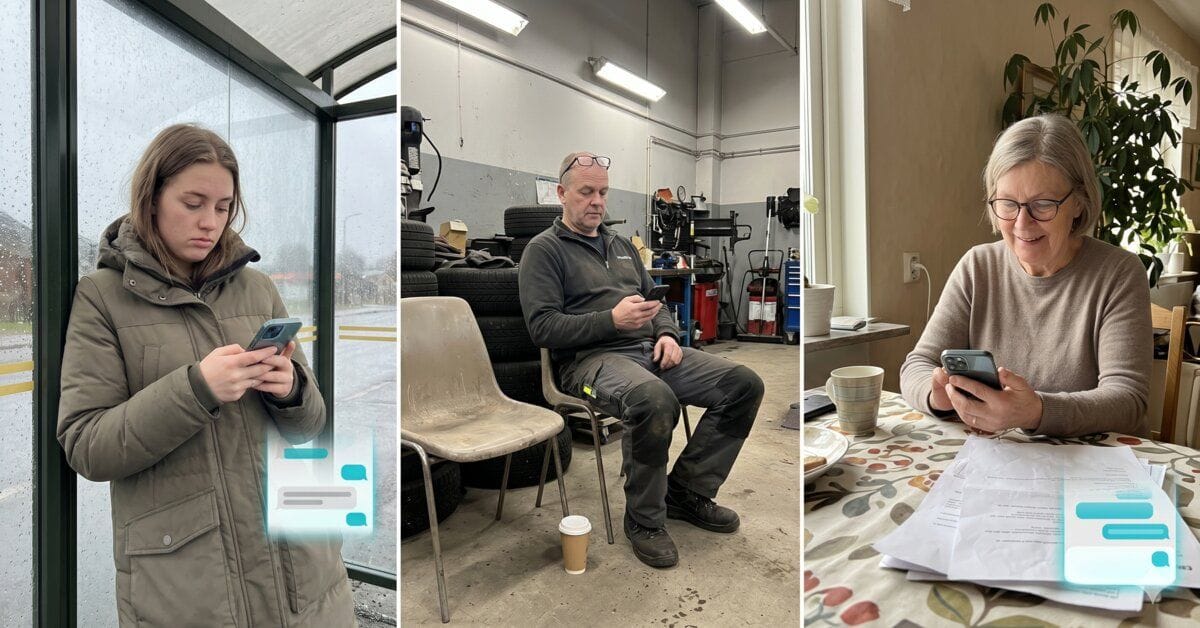
Third mechanism: deliberate restraint in communication. In a small town your customers read your SMS. The read rate on local SMS sends is over 95% when the sender is a business the customer knows personally. But this kind of channel trust is fragile.
Anna at Härliga Rum describes it: "The best part is the positive customer response we get to the bonus system."
Why low season requires a different strategy
Low season is where small-town businesses most often get squeezed. Summer guests disappear. Commuters travel away.
Anyone with a good customer base rides out the low season much better. The first reason is that existing customers spend more evenly across the year. The second is that you have a direct channel (SMS, not ads) where you can activate them on specific dates.
With a list of 300 local, actively interested customers, you can plan the whole low season as a series of small, well-planned sends. Three such sends can bring in more than a pricey ad campaign.
The tricky thing about building a small local list
You won't get 500 customers on the list in a month. But you build up 15–30 per week steadily if you have a simple registration point at the till. After six months you have between 400 and 700. After a year you have a significant share of the town's relevant target group.
That list essentially never ages, if you don't abuse it. It's an asset that grows every week – quietly, in the background.
Summary
Shops in small towns don't win by becoming better at reach – it's a growth ceiling they can't break through. They win by becoming outstandingly good at frequency and relationship with the customers already within reach.
Three mechanisms that small-town businesses actually control. Learn how to build frequency instead of reach →